

Large Tracts Opened in Continuous, Even Passes
Commercial & Large Acreage Clearing in Gluckstadt and surrounding areas for properties too overgrown to survey, show, or use
Hundreds of acres of tangled undergrowth become walkable, surveyable ground covered in mulch, with no burn piles and no debris hauled off the property. Allman Contracting Services LLC produces that result with forestry mulching, grinding brush and saplings up to 6 inches in diameter in place across commercial and agricultural tracts of any size. Owners, farmers, and developers around Gluckstadt use it when a large property has to be seen, measured, or put to work before anything else can happen.
Greg reviews boundaries, access points, and areas to stay wooded before equipment arrives. The mulcher works in long, overlapping passes that keep the finished surface consistent, and with no acreage cap, the plan scales to the property.
Share your tract boundaries and goals to start a clearing plan.
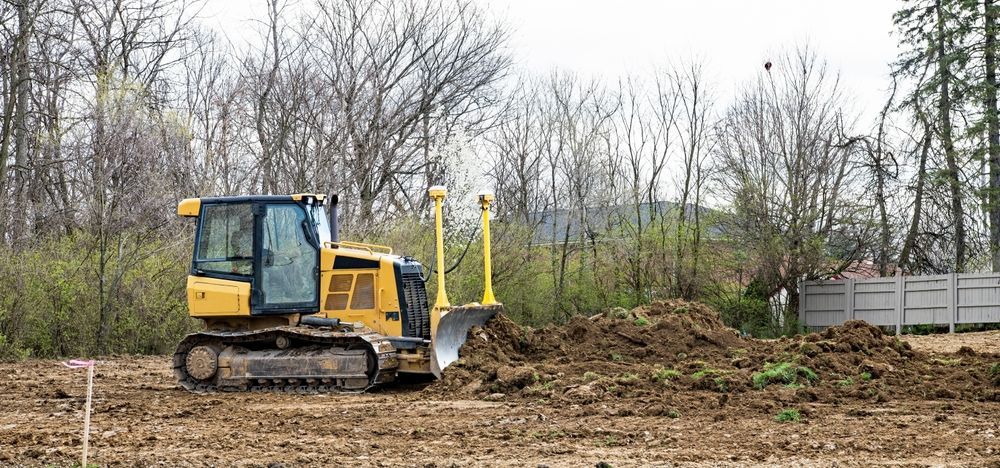
Dozing big acreage creates windrows that must be burned or hauled, a project of its own on a large tract. Mulching skips that step and avoids scraping off topsoil, which matters on agricultural land going back into production.
Once the work is complete, surveyors, buyers, and lenders can walk the property and see its actual layout, including drainage paths and terrain the brush had hidden. Agricultural ground is ready for mowing or fencing, and commercial lots no longer look abandoned from the road. Allman Contracting Services LLC leaves a consistent mulch surface across the cleared area rather than patches of bare dirt.
For lots headed toward development, mulching opens the ground so it can be surveyed, shown, and planned. Trees larger than 6 inches are left standing or worked around, and vegetation management passes can be repeated as regrowth returns.
What Owners and Developers Ask About Large Clearing Jobs
Large commercial and farm tracts raise different questions than a single lot, mostly about boundaries, coverage, and what the mulcher leaves behind.
How are boundaries marked on a large tract?
Property lines, setbacks, and areas to keep wooded are flagged or confirmed against a survey before work starts. The mulcher stays inside those markers, so nothing outside the plan is cleared.
What does the ground look like after mulching?
Cleared ground is covered in a mulch layer with no brush piles. Surveyors, buyers, and planners can walk it and see the true layout of the tract, including corners and frontage the brush had hidden.
Why is mulching used on agricultural land instead of dozing?
Dozing pushes topsoil into the brush piles along with the vegetation. Mulching grinds growth above the soil line, so the topsoil stays in place for future crops or pasture.
When does large-scale vegetation management need repeating?
Fast-resprouting species like privet and sweet gum are the usual trigger. When regrowth starts closing in fence rows or access lanes again, a maintenance pass keeps the tract from reverting.
How does access affect clearing commercial land near Gluckstadt?
Commercial tracts near roads and new development often have only one or two usable entry points. Equipment enters through those points and clears outward, so gate and access locations set the order of the work.
Allman Contracting Services LLC also handles commercial and large acreage clearing in Madison, Canton, Ridgeland, Jackson, Flowood, Brandon and Clinton. Set up a property review with Greg, and bring a survey or plat if you have one so the clearing limits can be confirmed on the ground.