
Overgrown Properties Restored to Functional Use
Brush Removal in Gluckstadt and surrounding areas for residential lots, commercial properties, farms, hunting land, and undeveloped acreage where vegetation limits accessibility and usability
Allman Contracting Services LLC removes brush from overgrown residential lots, commercial properties, farms, hunting land, and undeveloped acreage, from smaller qualifying jobs to large tracts with no upper acreage limit. Brush removal restores usable space, improves accessibility for vehicles and equipment, and readies land for agriculture, recreation, or sale by eliminating dense undergrowth, saplings, and invasive vegetation that restrict movement and visibility. Minimum project requirements apply and are discussed during the estimate process to ensure the scope matches equipment and resource needs.
The service addresses properties where brush has overtaken fence lines, blocked access roads, filled pastures, or created fire hazards near structures. Removing overgrowth opens sightlines, clears paths for maintenance and boundary inspection, and eliminates habitat for pests and snakes that thrive in dense cover. Projects vary in scale from residential lots needing perimeter clearing to large tracts requiring complete vegetation removal ahead of farming, land sales, or future use.
Contact Allman Contracting Services LLC to request an estimate and discuss minimum project requirements for your property.
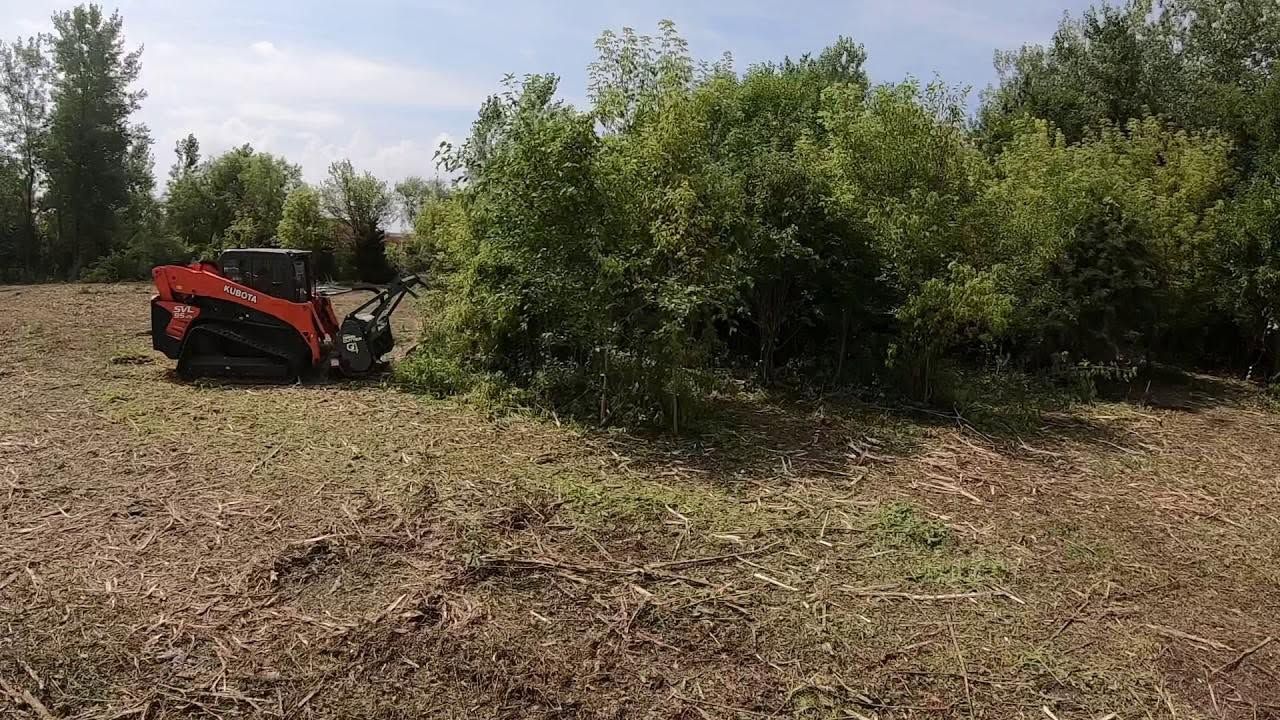
Cleared properties reveal defined boundaries, access routes passable by vehicles and equipment, and open space ready for mowing, fencing, or grazing. Dense undergrowth that previously blocked visibility is gone, fence lines become accessible for repair and maintenance, and fire hazards near buildings are eliminated. The work exposes the actual usable area of the property, often revealing more ground than was apparent when vegetation obscured boundaries and terrain.
Hunting properties gain improved access for food plot establishment, trail creation, and stand placement, while farms reclaim pasture and crop land lost to encroaching brush and tree saplings. Commercial and residential lots show clean perimeters that meet municipal vegetation ordinances and improve curb appeal, making properties more marketable and reducing ongoing maintenance burdens. The removal process handles thorny species, invasive vines, privet, and fast-growing saplings that reappear quickly if left unmanaged.
Brush removal focuses on vegetation management: brush, vines, and saplings up to 6 inches in diameter are mulched in place, which suits properties where the goal is restoring access and usability.
What Property Owners Usually Ask
Brush removal questions often address project sizing, what qualifies for service, and how the process prepares land for different uses.
What determines whether a property meets minimum project requirements?
Project size, vegetation density, equipment access, and the scope of work all factor into whether the job aligns with available resources, with the estimate process clarifying whether your property qualifies and what the timeline and cost would involve.
How does brush removal prepare land for future use?
Clearing eliminates obstacles that interfere with mowing, fencing, vehicle access, and equipment movement, exposing the underlying terrain and making it possible to see drainage patterns and usable areas that were previously hidden by vegetation.
What types of vegetation are removed during brush clearing?
The service handles saplings, thick undergrowth, thorny brush, invasive vines, privet, and fast-growing species up to 6 inches in diameter. Trees larger than that are left standing or worked around.
How does brush removal differ from forestry mulching?
Brush removal focuses on cutting and clearing vegetation to restore access and usability, often involving hauling debris off-site or creating burn piles, while forestry mulching grinds vegetation into mulch that remains on the ground, with the choice depending on whether you want cleared ground or a protective mulch layer.
What happens to brush and debris after removal?
Material can be hauled away, piled for burning where permitted, or chipped and spread depending on property goals, local regulations, and whether you want the land ready for immediate use or prefer organic material returned to the soil.
Allman Contracting Services LLC removes brush from properties ranging from small residential lots to large acreage tracts, restoring accessibility and readying land for its intended use. Arrange an estimate to evaluate your overgrown property and confirm project requirements.