

Property Cleared for the Way You Plan to Use It
Land Clearing in Gluckstadt for properties where the intended use determines the clearing approach
Allman Contracting Services LLC clears residential, commercial, agricultural, and development properties in Gluckstadt using equipment selected to remove trees, brush, and vegetation without creating unnecessary ground disturbance. Greg begins every project with a consultation before any equipment arrives on site, asking whether you plan to build on the property or simply want the land cleared for general use. Preparing a homesite requires a more strategic approach than general land clearing, with careful consideration given to the future building footprint, access routes, utility runs, drainage patterns, and which trees should remain standing to preserve shade or visual appeal.
Land clearing projects range from single homesites to large acreage tracts, with the scope tailored to match your specific goals. If the objective is reclaiming overgrown property without construction plans, the process focuses on maximizing usable space and removing obstacles that interfere with mowing, livestock, or recreational use. When clearing for development, the work creates a clean foundation that accommodates grading, utility installation, and construction access while protecting adjacent areas from erosion or damage.
Schedule an on-site estimate to review your property and discuss how the clearing plan should align with your intended land use.
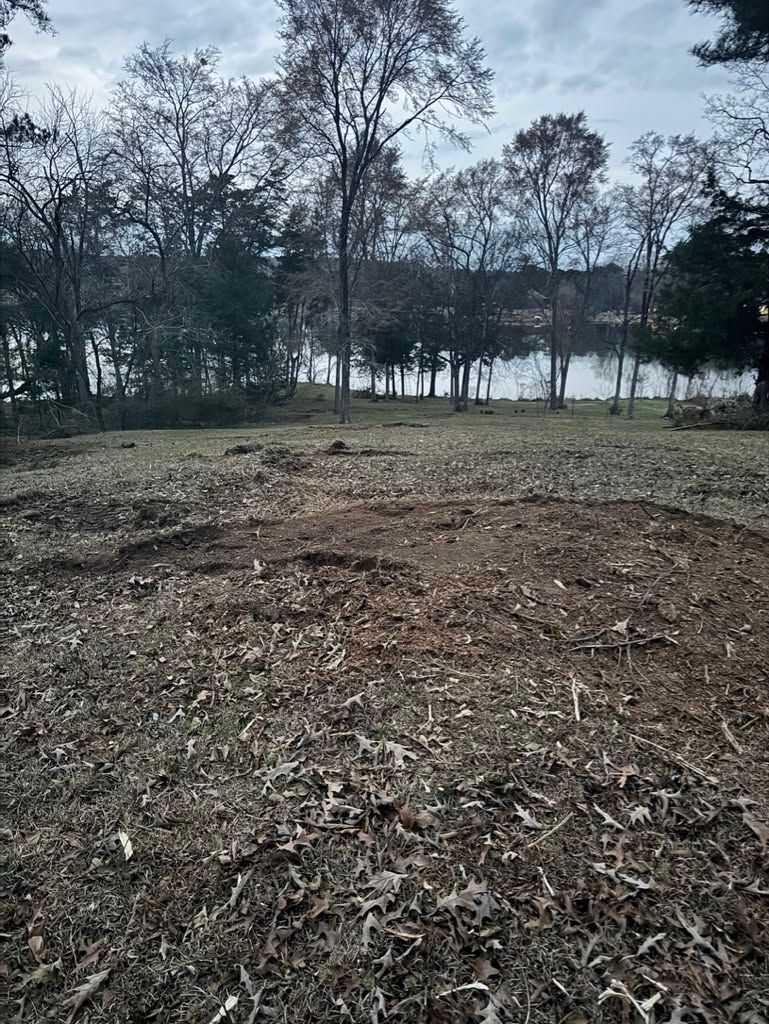
You see a defined footprint that matches your planned use, whether that means a building pad with measured setbacks and preserved vegetation in designated areas, or open acreage cleared of stumps and debris. When clearing for construction, the site is left level enough to accommodate grading work and utility trenching, with access lanes wide enough for heavy equipment and material deliveries. For agricultural or recreational clearing, you regain visibility across the property, eliminate dense undergrowth that restricts movement, and create space for fencing, trails, or pasture without ongoing battle with regrowth.
The difference between homesite preparation and general land clearing shows up in what remains after the work finishes. Homesite clearing preserves specific trees that provide shade near the future structure, maintains natural screening along property lines, and positions the cleared area to work with topography rather than against it. General clearing prioritizes removing vegetation that blocks access or creates fire hazards, with less concern for aesthetic details and more focus on functional space.
Professional equipment minimizes soil compaction and rutting compared to tracked bulldozers, which matters when the land will support construction traffic or needs to drain properly after heavy rainfall. The consultation process identifies site-specific factors like soil type, slope, existing tree health, and proximity to structures or utilities, all of which affect how the clearing work should proceed and what equipment is appropriate for the conditions.
What Property Owners Usually Ask
Questions about land clearing often focus on how the process adapts to different property goals and site conditions.
What happens during the consultation before equipment arrives?
Greg evaluates the property to determine your goals, identify trees worth preserving, assess soil conditions and drainage patterns, and plan equipment access routes that minimize damage to areas outside the clearing zone.
How does clearing for a homesite differ from general land clearing?
Homesite clearing involves mapping the building footprint, preserving desirable trees in specific locations, planning for driveway and utility placement, and managing drainage to direct water away from the future structure, while general clearing focuses on removing vegetation to reclaim usable space without the same level of site planning.
What determines which equipment is used for a project?
Soil type, slope, tree density, proximity to structures, and whether the site will support future construction all affect equipment selection, with the goal of removing vegetation efficiently while avoiding unnecessary ground disturbance that complicates grading or drainage work.
What should remain on the property after clearing finishes?
For homesite preparation, you should see a defined building area with preserved trees in planned locations, access routes positioned for construction traffic, and cleared sightlines for utilities, while general clearing leaves open space free of stumps and major debris but without the same attention to specific layout details.
How does Mississippi clay soil affect the clearing process?
Heavy clay becomes slick and prone to rutting when wet, which means equipment selection and timing matter more than on sandy soils, and clearing work scheduled during drier periods reduces the risk of creating compaction or drainage problems that persist after construction begins.
Allman Contracting Services LLC tailors every land clearing project to match the property's intended use, from homesites requiring careful planning to large acreage tracts where the priority is reclaiming functional space. Request an on-site estimate to discuss your specific clearing needs and receive a project plan based on your goals.